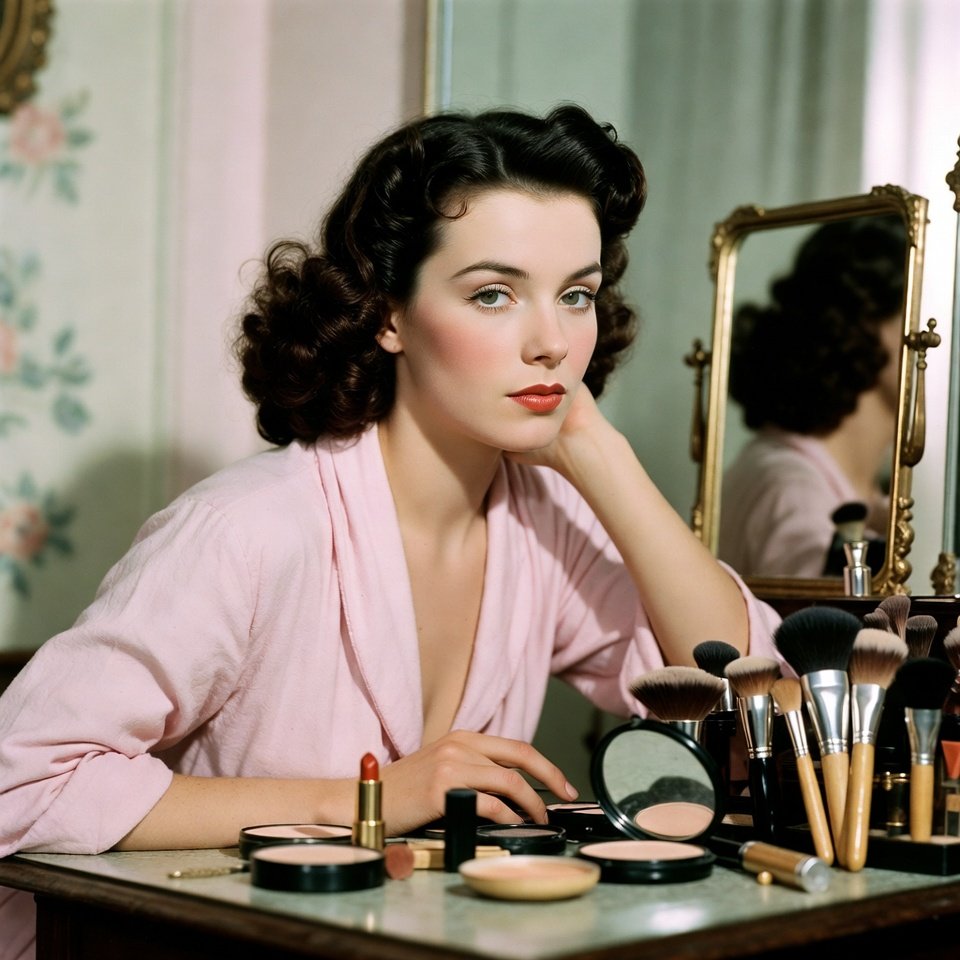
The 1950s became the decade of beauty because of the postwar optimism, heavy social morale, and the strong conviction that looks were the mirror of personal control and personality. Whereas certain old-fashioned concepts remain present in everyday habits, most common trends of that era are now outrageous, unrealistic, or even frightening when interpreted by the contemporary standards of science and personal care.
Face powder had to be of massive amounts daily
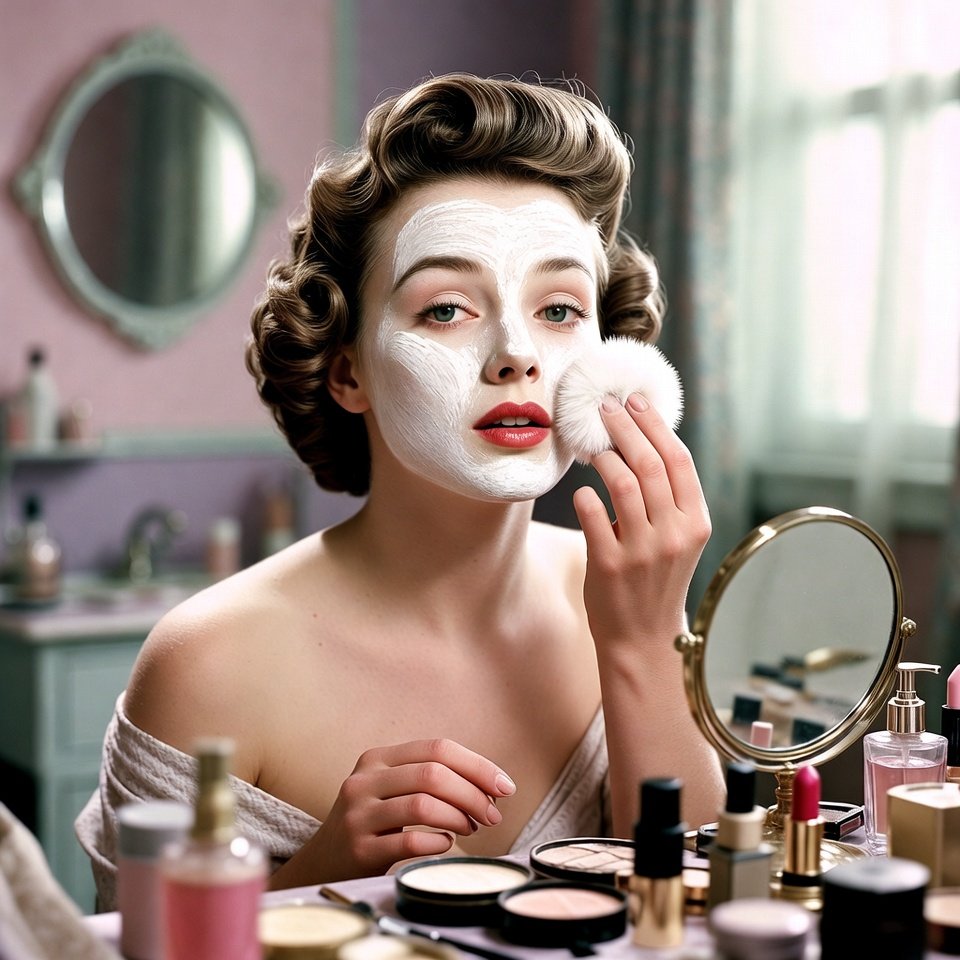
It was also recommended that women use heavy amounts of face powder to achieve the fullest coverage of the face in the morning to create a flawlessly matte look, no matter the skin type or the climate. The current practice is recognized to clog pores and put stress on dry skin, and currently, much lighter and breathier formulas are much friendlier to the skin.
Washing of the face frequently, using hard soap, was encouraged
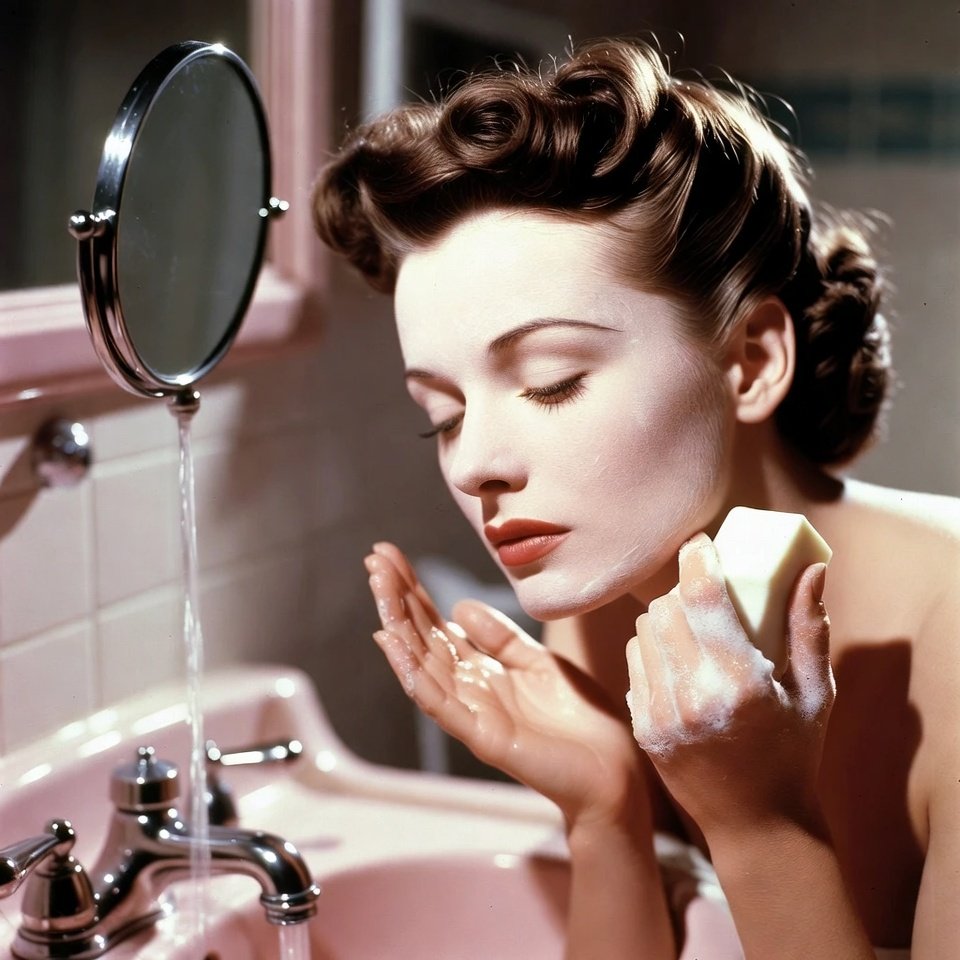
It was considered that regular washing of the skin with strong bar soaps resulted to a clean and luxurious skin although these liquids drained away the natural oils. Contemporary dermatology is aware of the fact that such practices tend to create a disturbance in the skin barrier and result in the irritation or imbalance.
Without using sun protection, tanning was popularly promoted

The tan color in the 1950s signified health and rest, and people did not have sunscreen in their beauty products. Existing studies have also evidently indicated that inadequate protection against the sun hastens the aging process and also contributes to a large extent of skin destruction.
Roller setting of hair was perceived to be a nonnegotiable practice
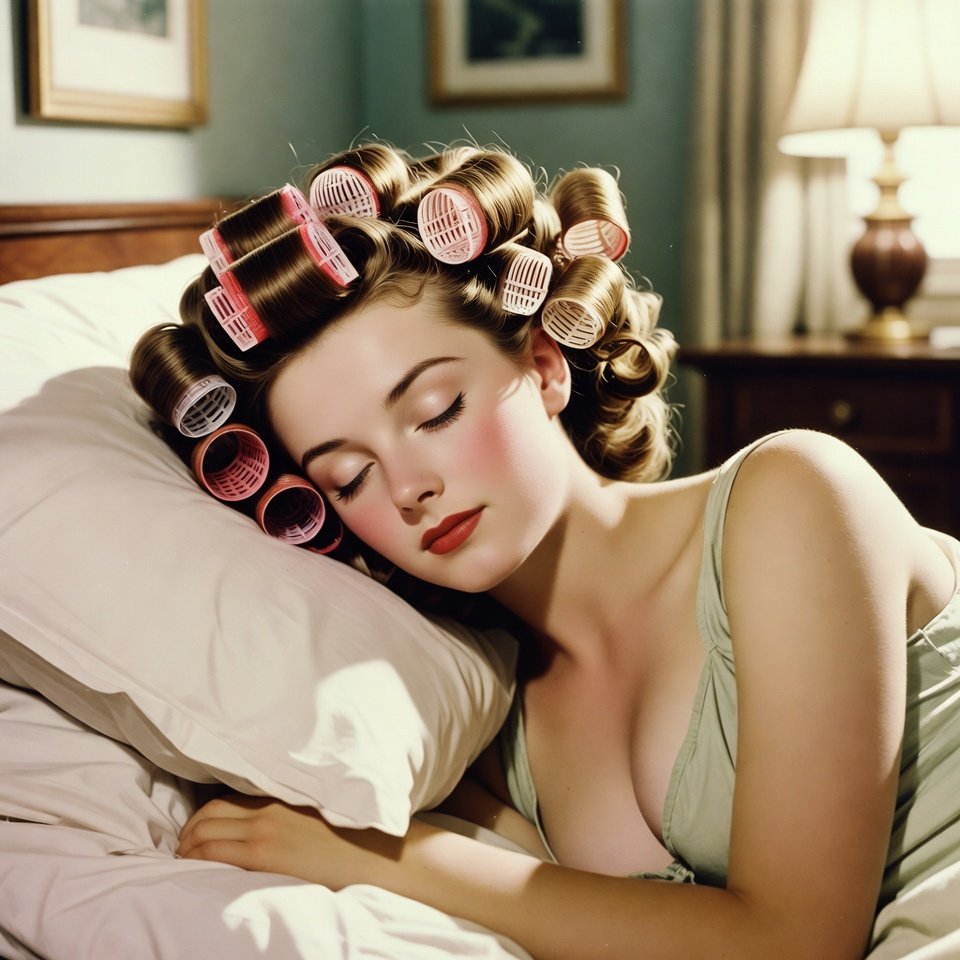
It was believed that one was to have perfectly set hair in their everyday life and therefore, many women went to bed with rollers every single night. Though good at structure, the routine frequently resulted in scalp stress and scalp breakages, which are being prevented through contemporary styling practices.
Washing of hair was done once in a week
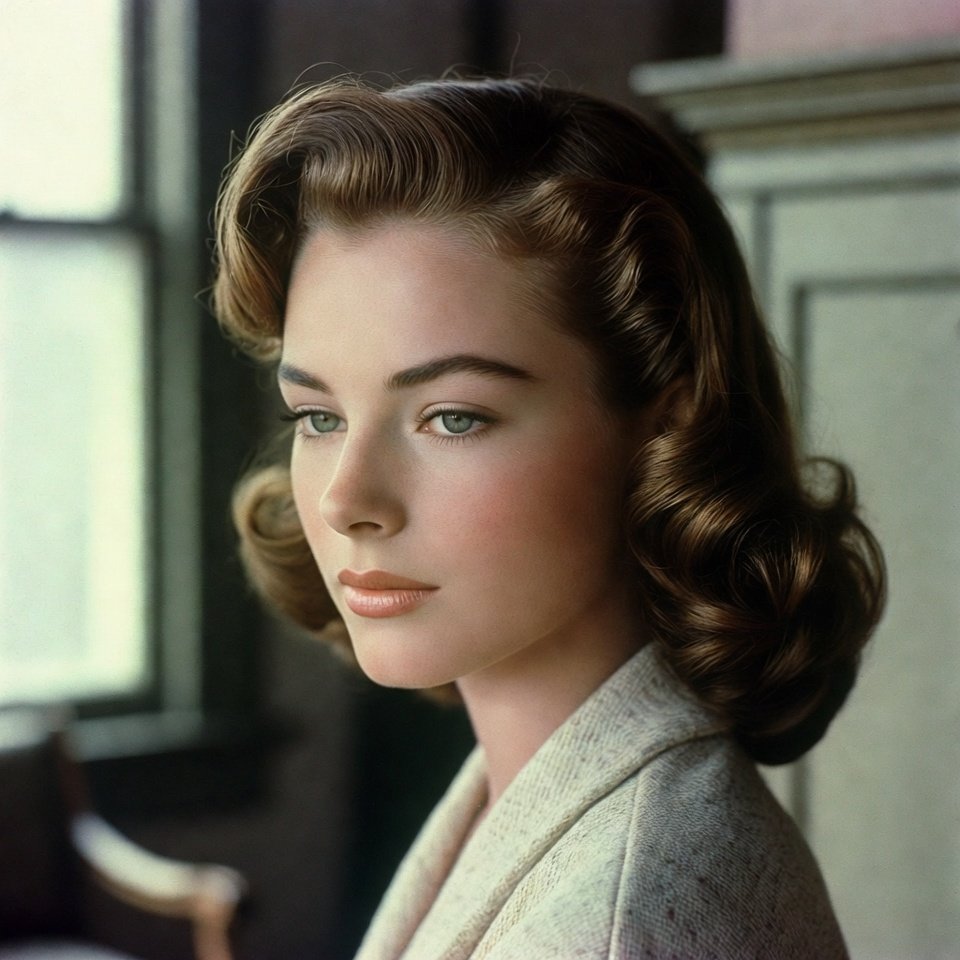
Styling rather than cleanliness was used to define clean hair and it was perceived that frequent washing was bad when it came to maintaining sets. The personalized hair care according to scalp interests is considered much more healthy and sensible nowadays.
Cold cream was utilized as a general solution
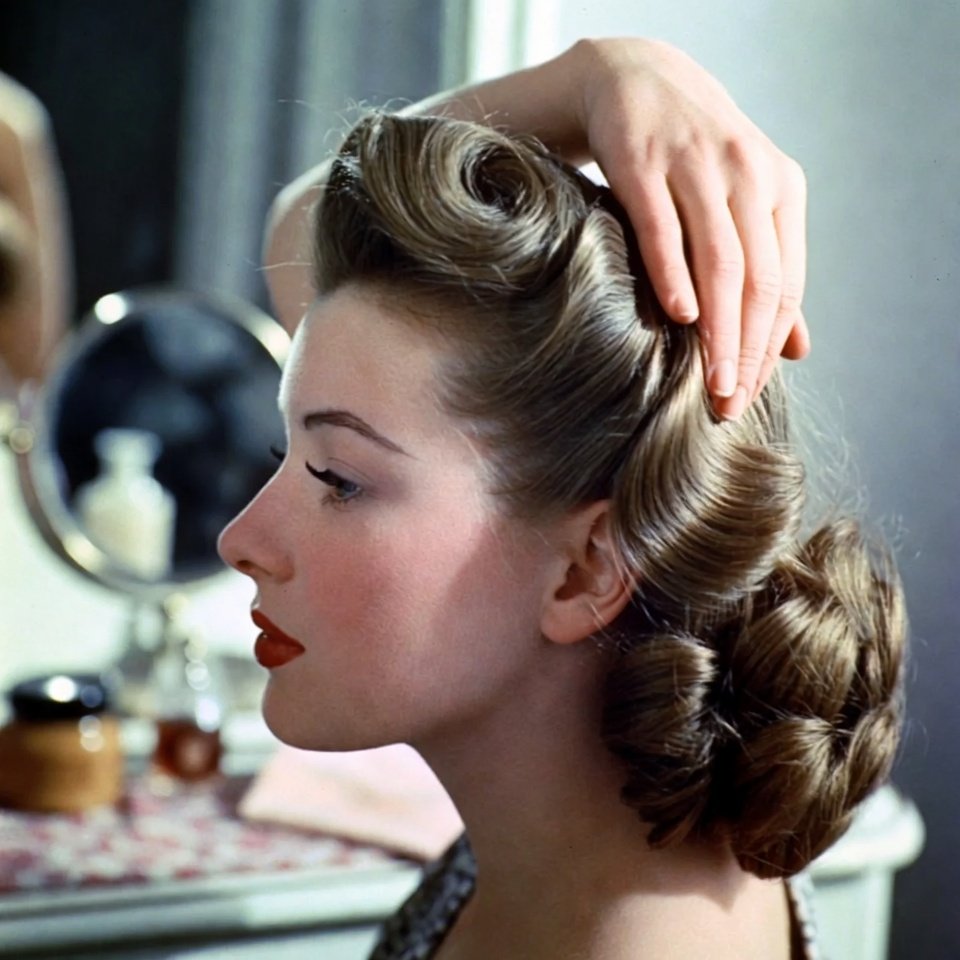
A single product was likely to wash, hydrate, and take off makeup, irrespective of the skin issues. The contemporary skincare is biased towards formulations which target certain requirements like sensitivity, acne or aging.
Lipstick colors were selected to be a perfect fit
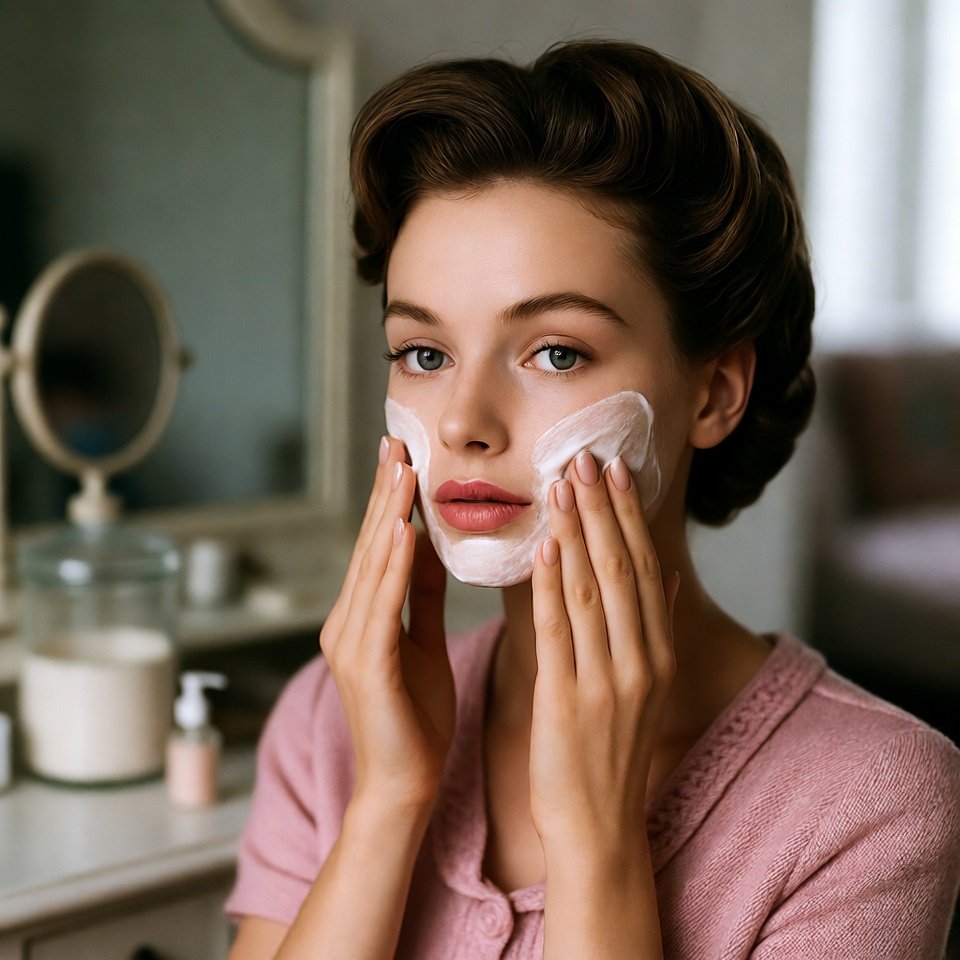
The beauty tips emphasized the level of coordination rather than self-expression, promoting women to have several lip colors to wear with various clothes. Modern beauty helps to adopt diversity and uniqueness instead of strict rules.
Eyebrows were made very skinny
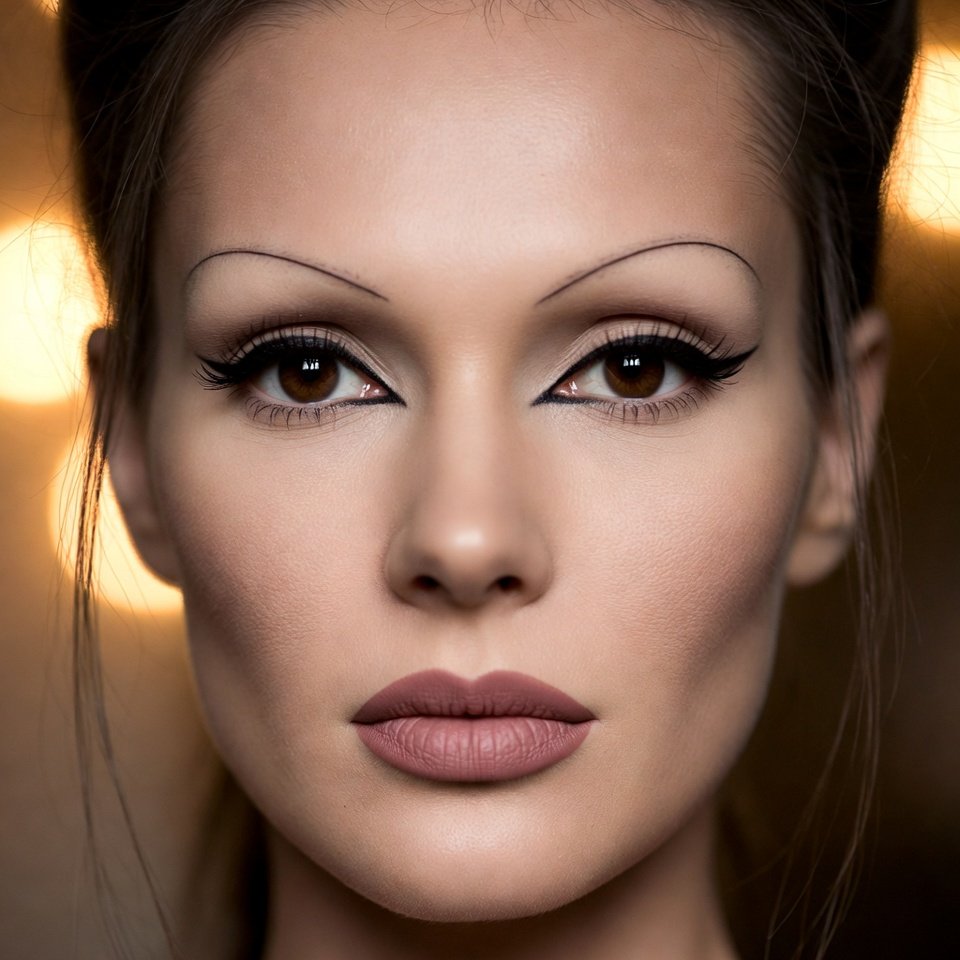
Breath-taking thinness in the brow was the mode and would be over-plucked in order to have a very specific appearance. Today, fuller and natural brows are desired, which is partly due to the fact that excessive plucking may lead to long-term loss of hair.
A clear skin was considered to be a sign of moral discipline
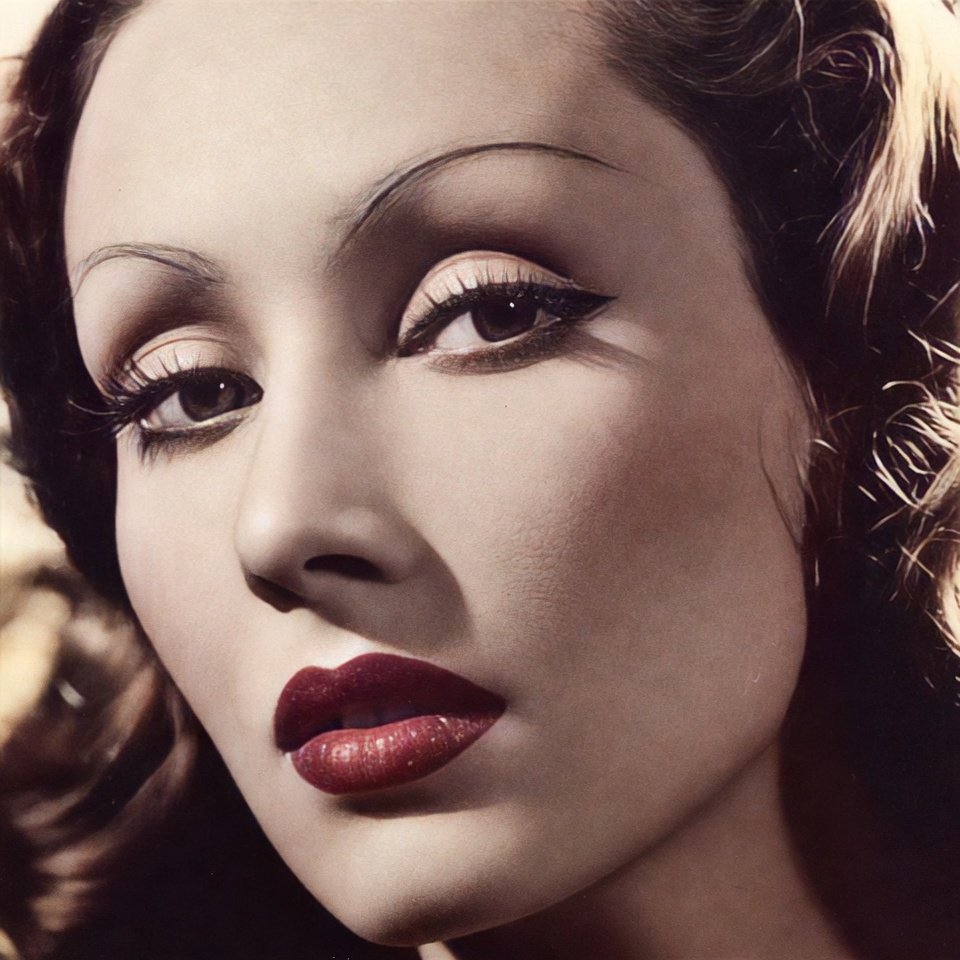
Poor habits usually led to breakouts and not biology or hormones. Contemporary knowledge identifies acne as a complicated disorder that is affected by chromosomes, the environment, and physiology.
Liberal application of perfume was done
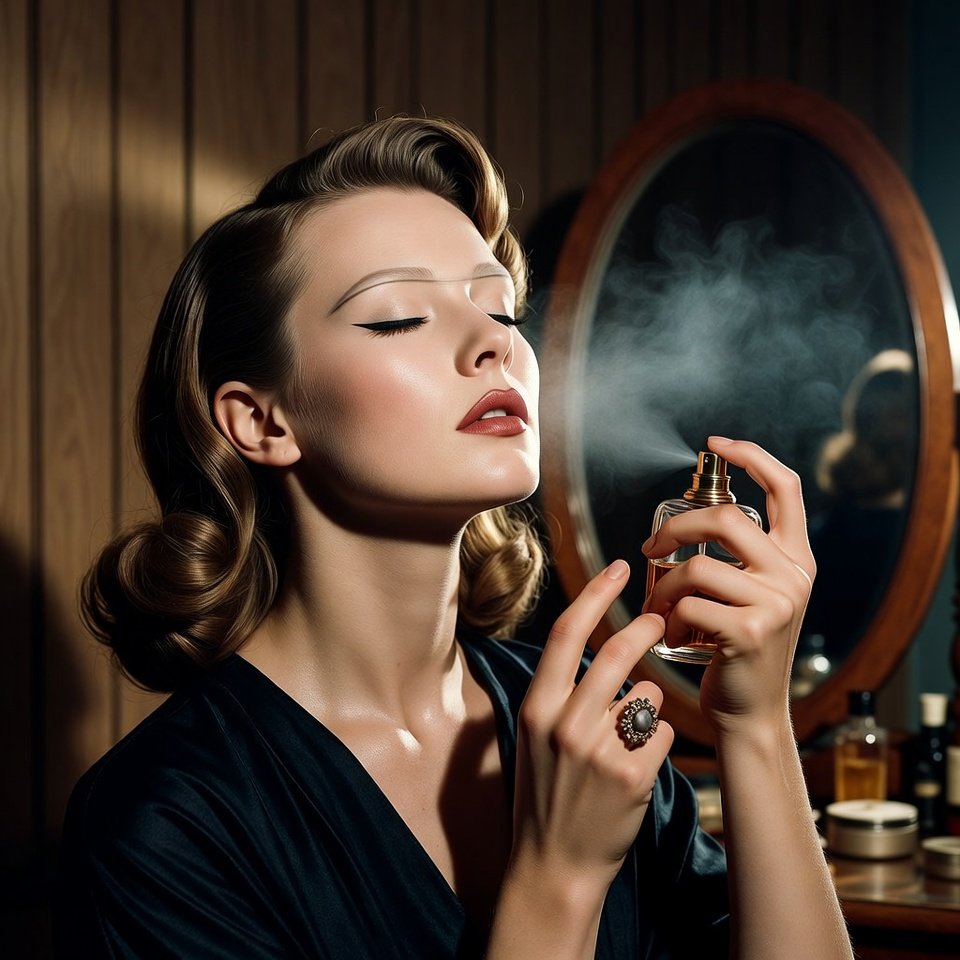
Powerful perfumes were linked to sophistication and social status, hence overuse. Moderation is advised today, particularly because of sensibilities and communal places.
Even at home makeup was required
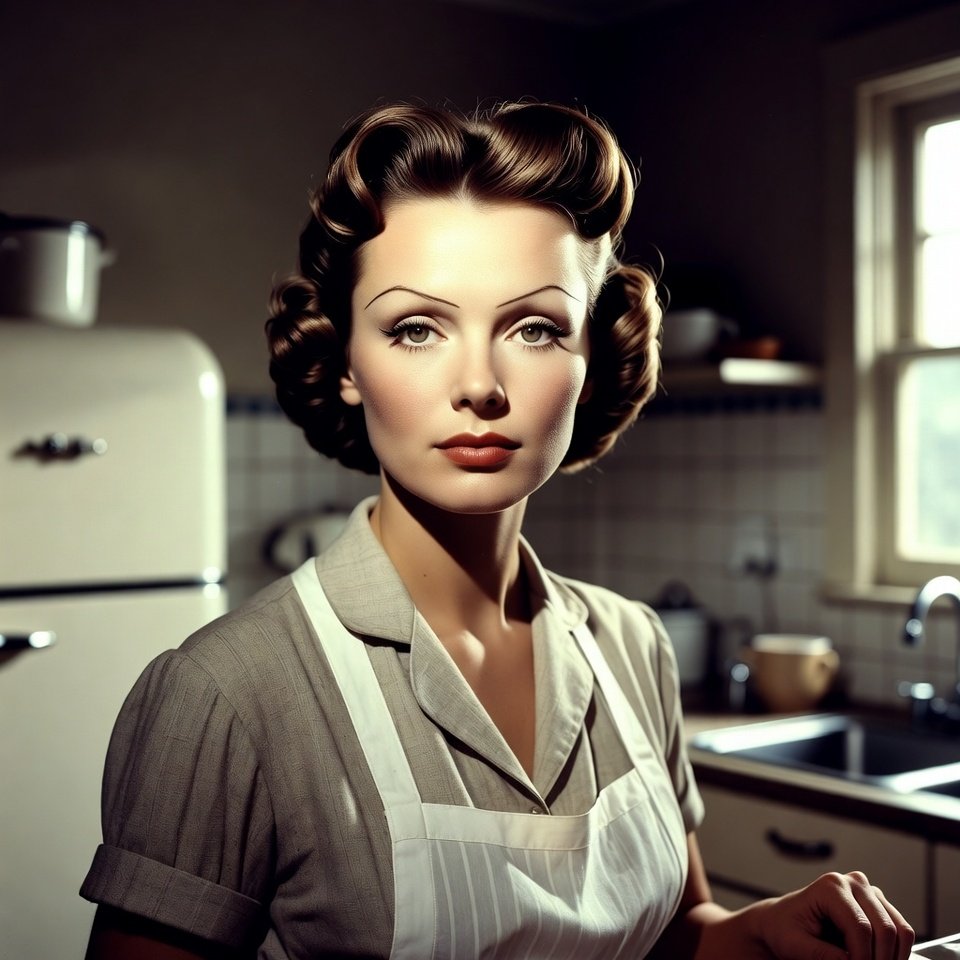
Women were also taught to have a smooth face during the day, even in house chores. The contemporary culture of beauty is becoming more pro-comfort and non-presentation.
A gray hair was considered an aspect that should be concealed
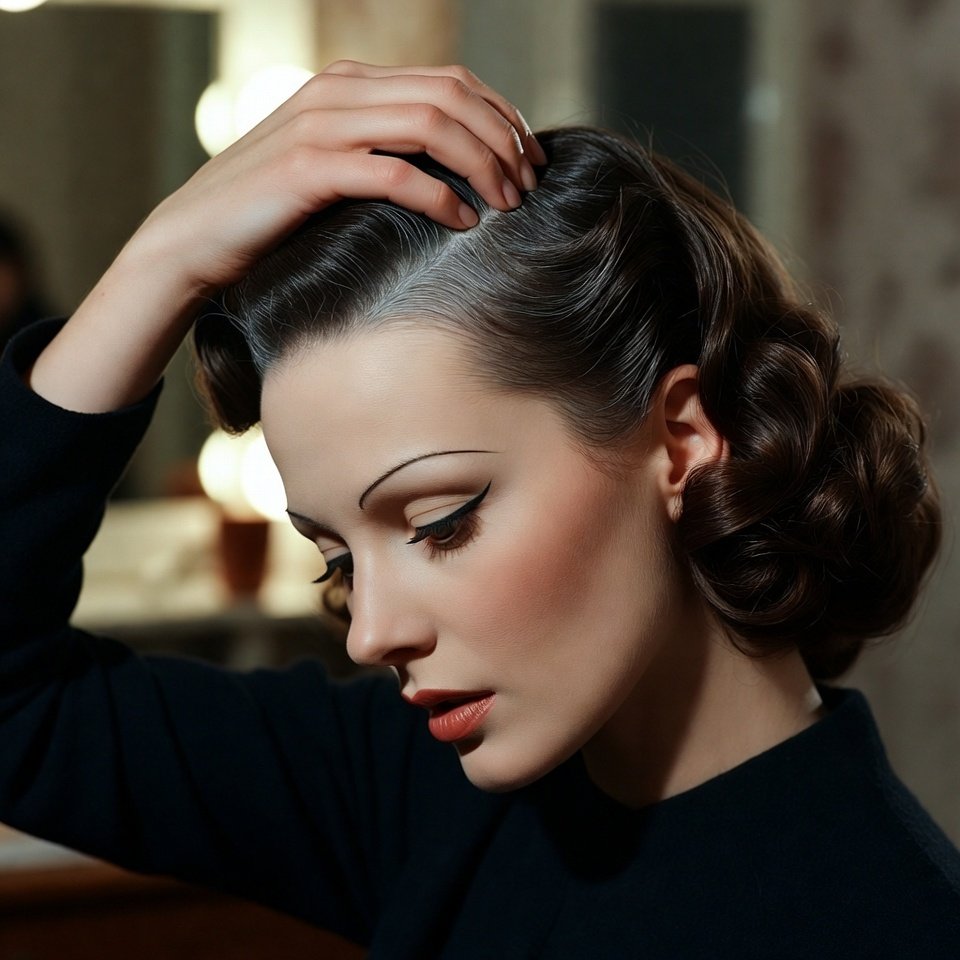
Graying prematurely was regarded as a defect that had to be removed once it came to play. The contemporary generation likes to use the natural color of their hair as a symbol of self-consciousness and individuality.
Beauty was socially sound
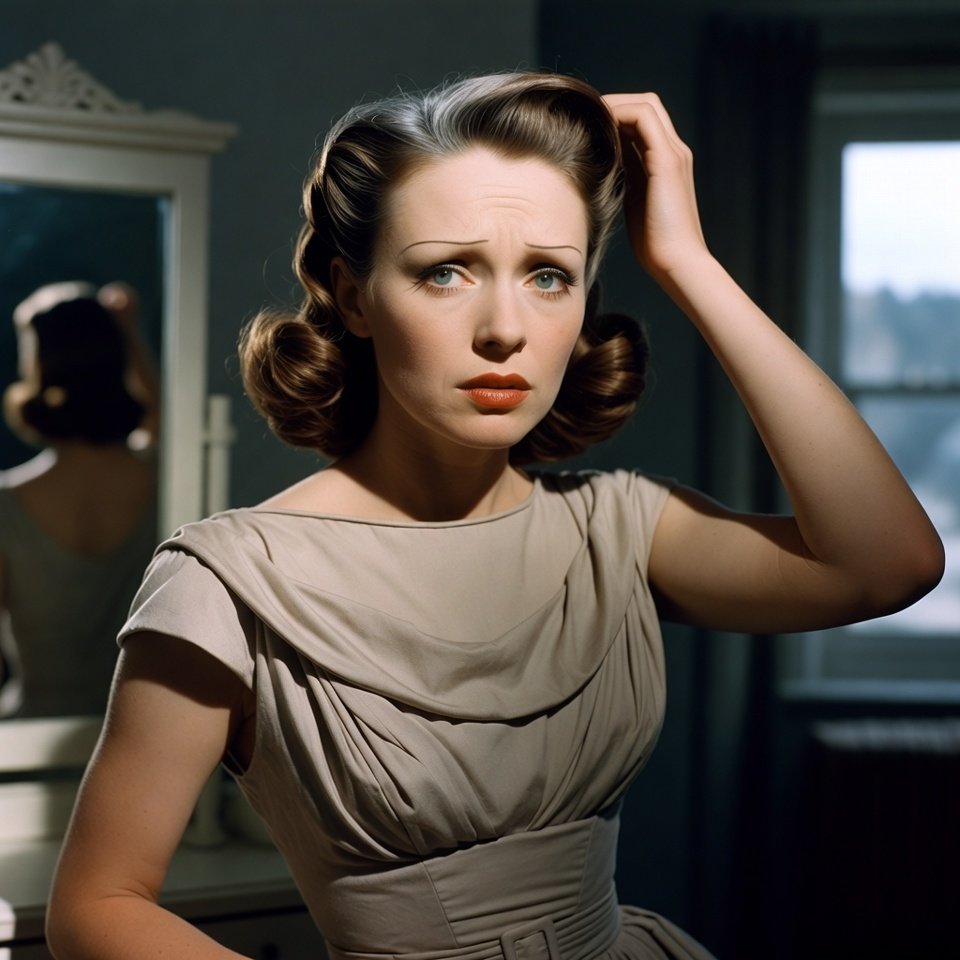
The advice was influenced by strict criteria who did not give much room to individual choice and exploitation. Modern beauty emphasizes more on inclusivity, diversity, and well-being.
