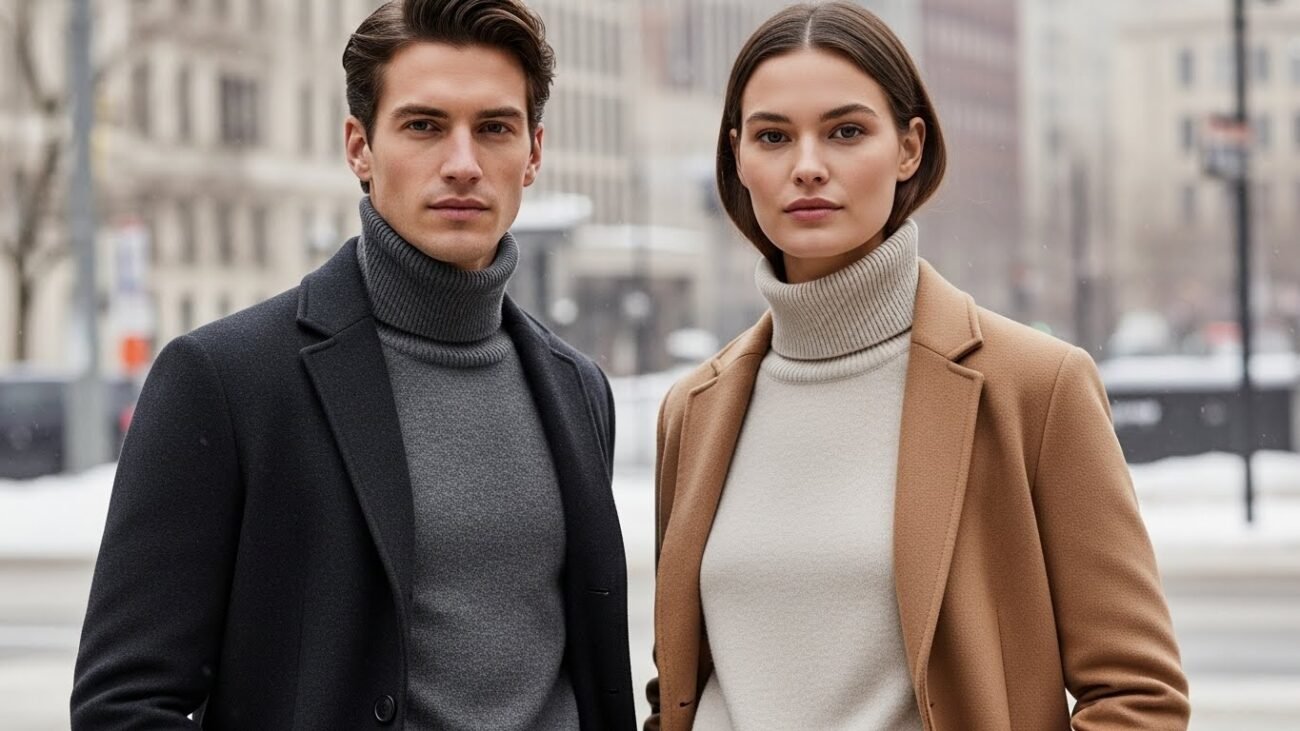
Winter wardrobes demand pieces offering warmth, structure, and visual balance. The rollneck sweater meets those requirements with consistent results across climates and age groups. Fashion retailers report stable winter sales for rollneck styles due to repeat purchases and cross outfit compatibility. Stylists favor this sweater for clean lines and predictable proportions. The following sections explain how a rollneck supports fit, comfort, and appearance during colder months.
Natural Neck Framing
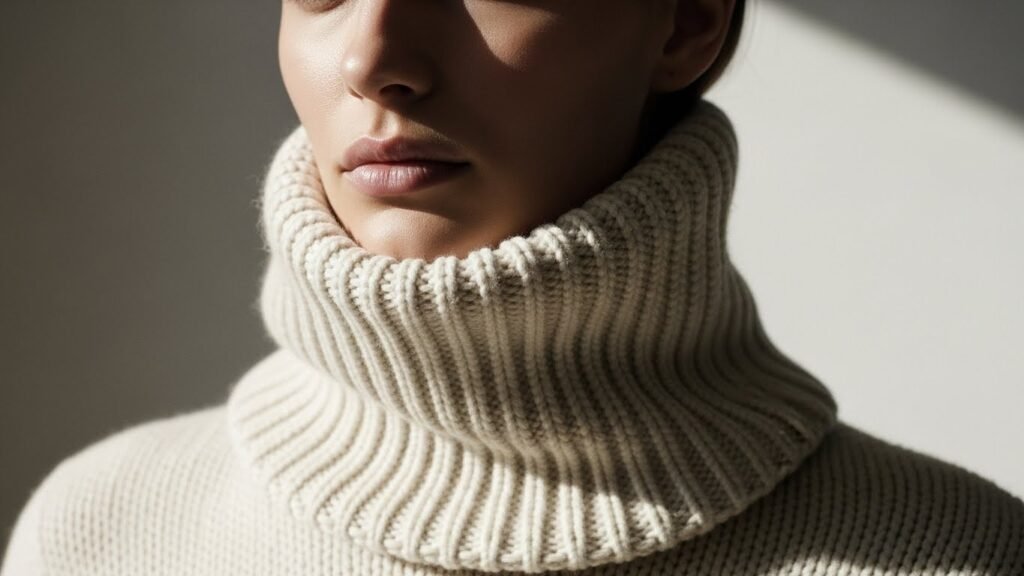
A rollneck creates a continuous vertical line from collarbone to jaw. This structure draws attention upward, supporting facial balance in cold weather layering. The folded neckline avoids sharp breaks in the outfit, producing a smooth transition between outerwear and base layers during daily wear.
Improved Proportion Control
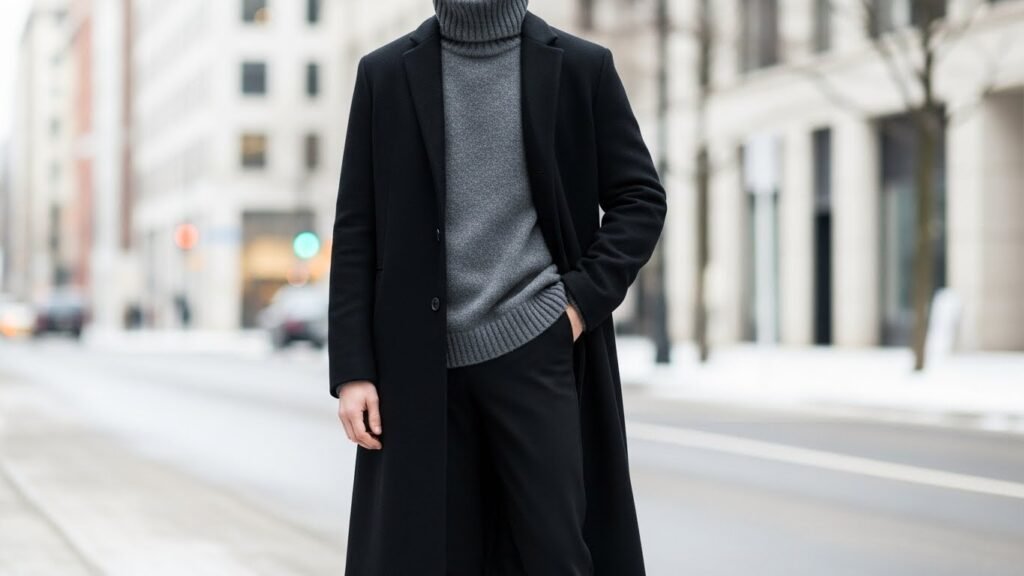
Body proportions benefit from the rollneck shape. The extended neckline offsets bulky winter fabrics such as wool coats or padded jackets. This balance reduces visual weight around the torso. Outfit coordination becomes simpler since the neckline maintains structure beneath heavier garments.
Consistent Cold Weather Coverage
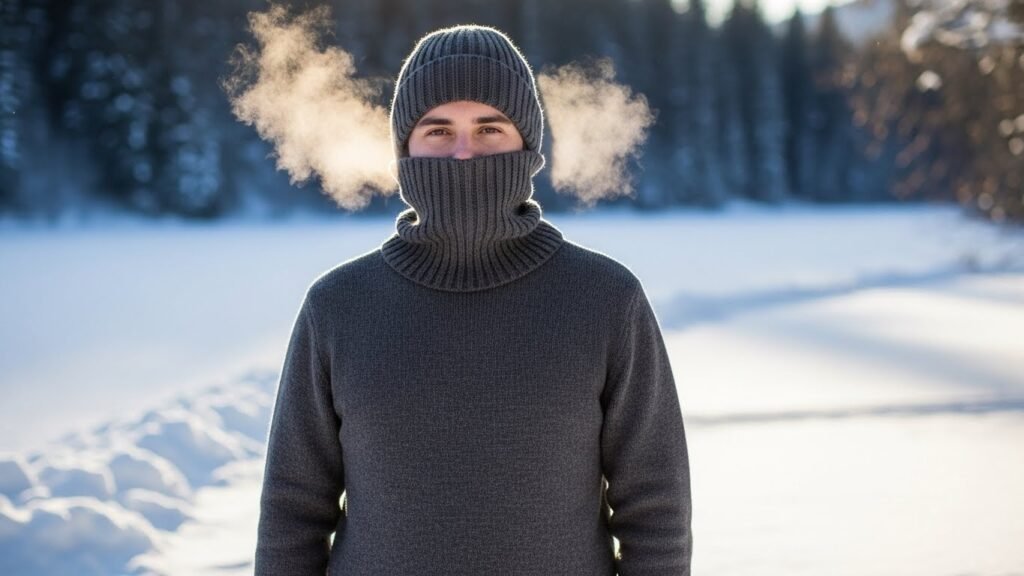
Neck insulation plays a central role in thermal comfort. A rollneck provides coverage without scarves or additional accessories. This reduces layering bulk and movement restrictions. Cold air exposure around the collar area decreases, supporting outdoor comfort during extended winter activities.
Fabric Performance Advantage
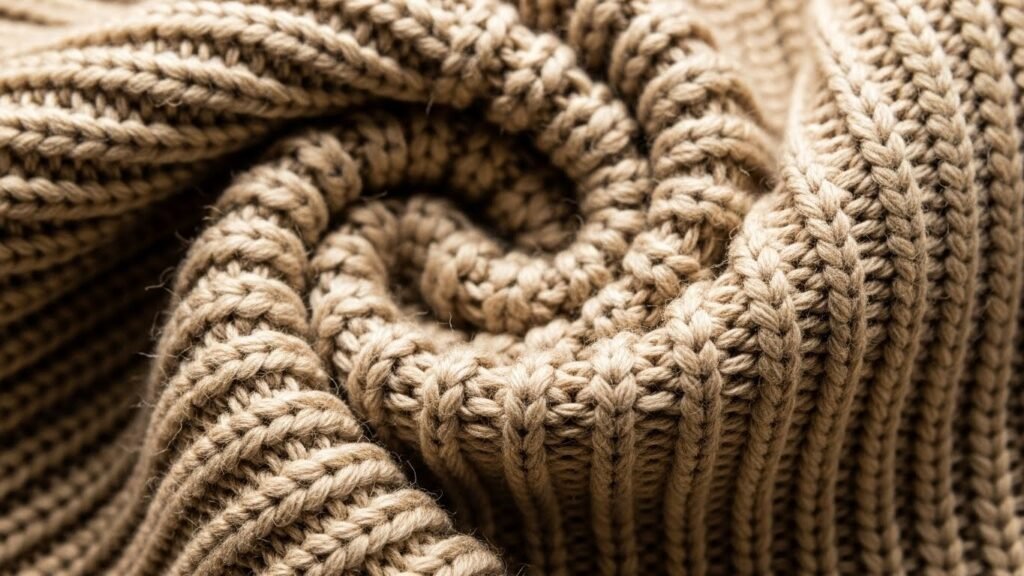
Rollnecks tend to wear thick knits like merino wool, cashmere mixes, or cotton ribbed. These materials are easily kept warm and remain in their shape after many times of wearing. The tension fabric around the neckline will keep it strong so that it does not stretch out like open collar sweaters do when used throughout seasons.
Versatility Across Settings
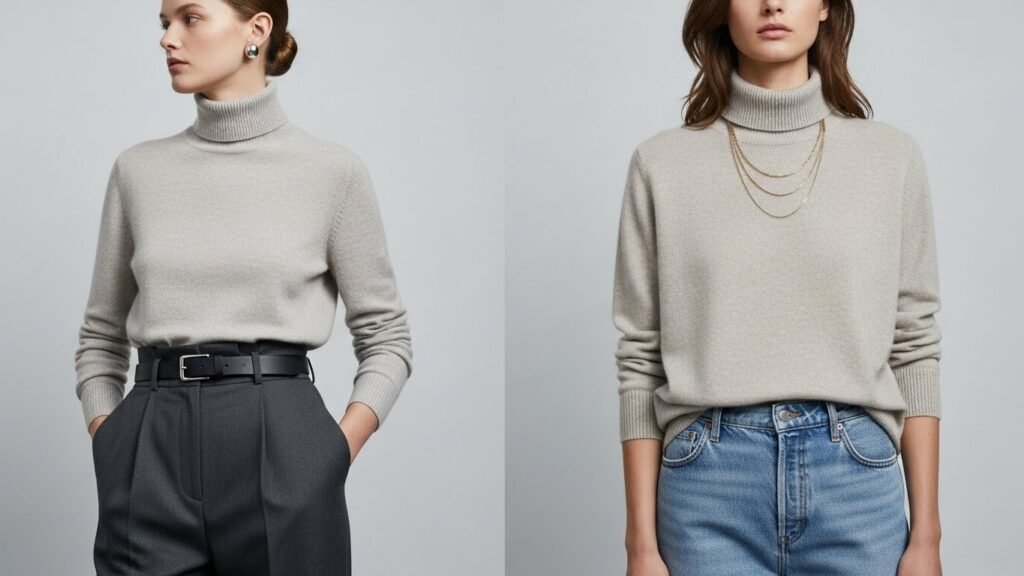
The rollneck is very comfortably balanced between casual and professional. Neutral dark colors are used with a tailored trouser to wear at work. Dressy knits are used in less formal environments coupled with denim or wool trousers. This flexibility minimizes the rotation requirements of the wardrobe in winter.
Support for Layering Systems
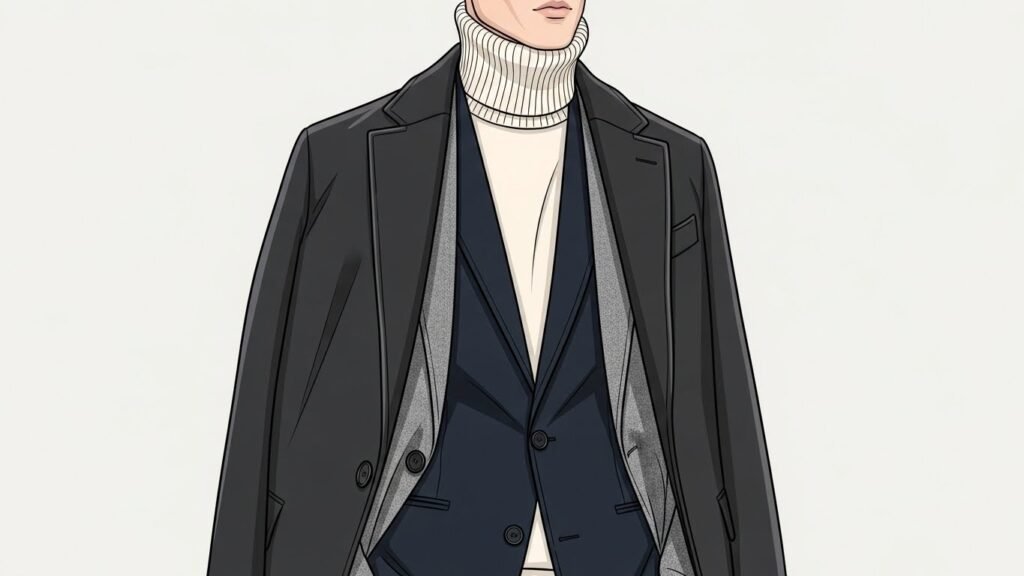
Rollneck sweaters are better at layering. The neckline is flat underneath coats, blazers and overshirts. This stops the bunching of fabrics around the collar. Even when there are several layers, outfit lines are clean and enhance one day comfort and visual clarity.
Face Shape Compatibility
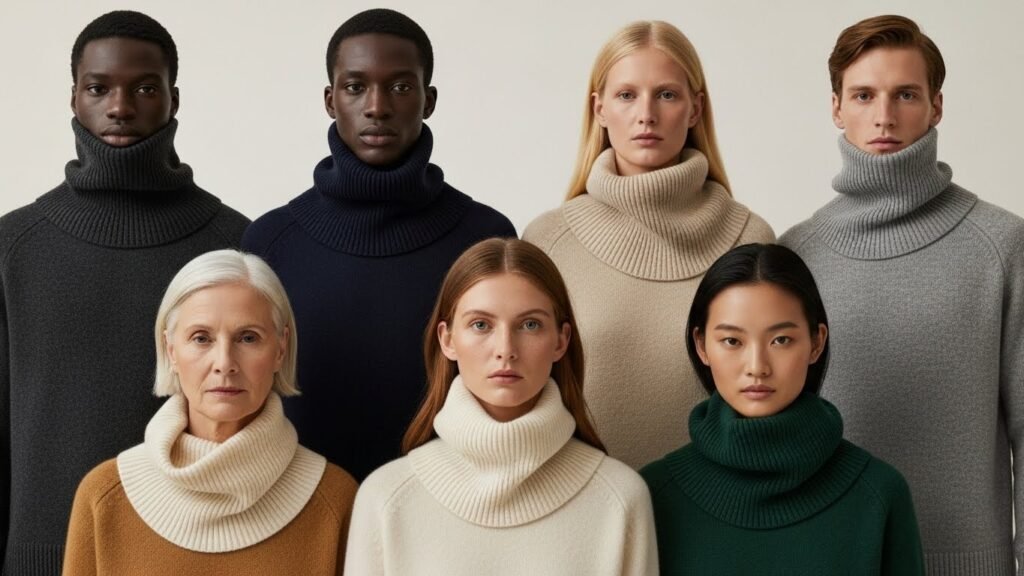
Rollnecks suit a wide range of face shapes. The soft fold adds volume around the neck without sharp contrast. This effect balances angular features and supports softer facial outlines. Stylists often recommend rollnecks for portraits and formal winter gatherings due to this framing quality.
Reduced Accessory Dependence
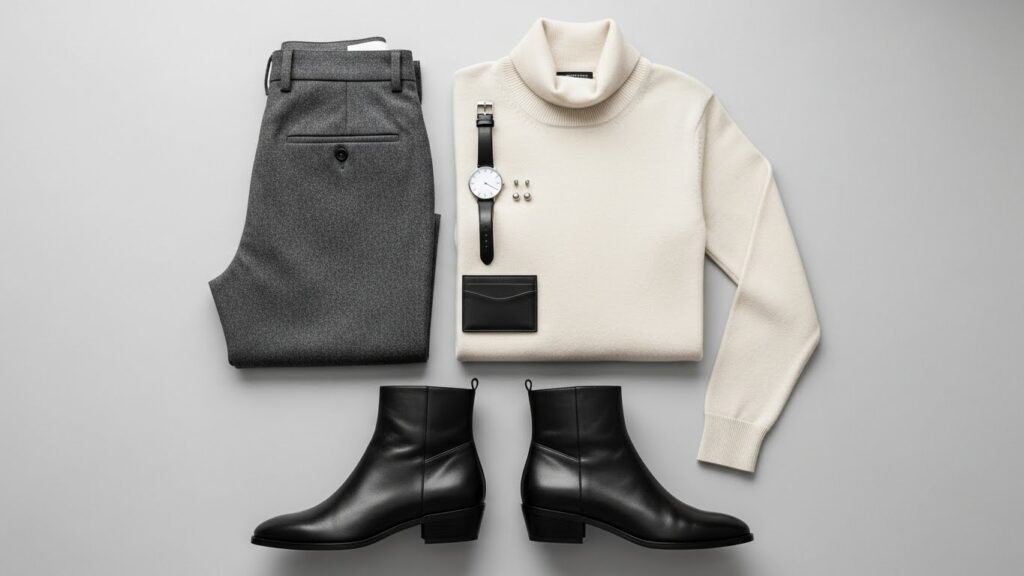
A rollneck limits the need for scarves, ties, or neck warmers. The built in coverage simplifies outfit planning. This feature appeals to individuals seeking streamlined winter dressing with fewer items. Morning preparation time decreases without sacrificing warmth or style consistency.
Longevity in Seasonal Trends
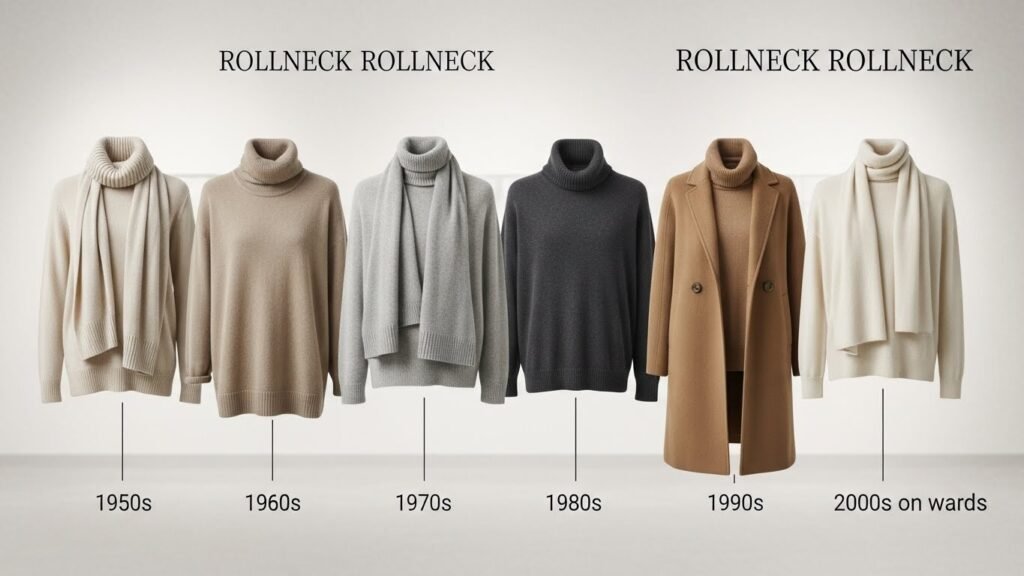
Trend cycles change yearly, yet rollnecks maintain steady presence. Fashion data shows minimal variation in rollneck demand across decades. This stability supports long term wardrobe investment. Neutral rollneck designs remain wearable despite shifting seasonal color preferences.
Comfort During Extended Wear
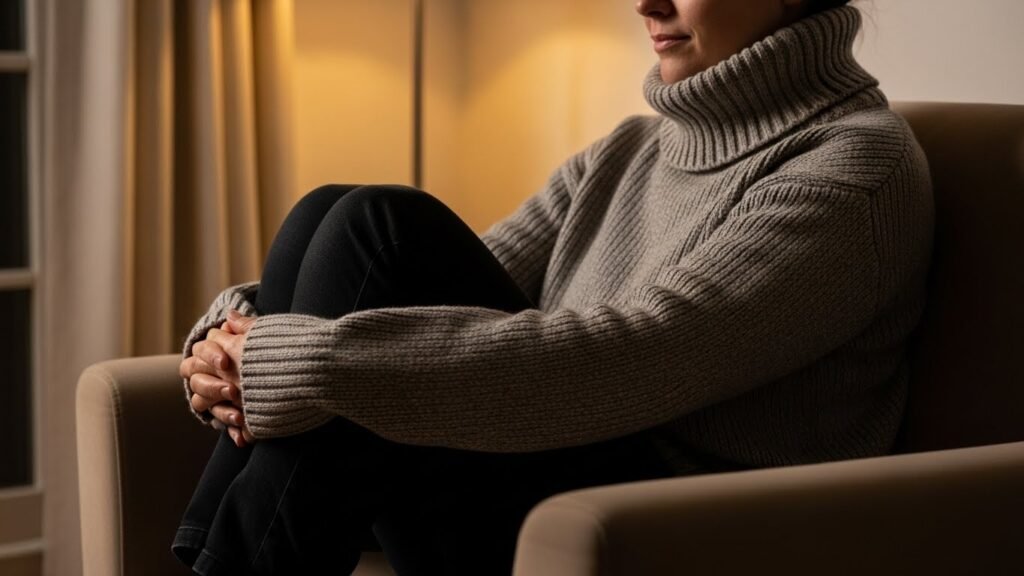
Comfort influences garment value during winter. Rollnecks distribute pressure evenly around the neck rather than relying on drawstrings or closures. Soft knit construction supports full day wear without irritation. This reliability explains continued preference among professionals and travelers in colder regions.
