
Generational identity can manifest itself in minor, daily decisions as opposed to such proclamations, and objects that people use may mutually demonstrate the period within which they developed their habits. Although age is never identified with what one owns, the younger generation will often tend to link certain common things to the older lifestyle based on various technologies, routines, and priorities.
Printed Address Books

The pocket-sized address book containing the scribbled phone numbers reminds me of the days when the contacts of your phone were shown on paper and not digitally. This is something that people of all ages consider to be so cute, yet not very needed by the younger generation. To them, it symbolizes a time when external storage was not made easy by cloud backup and immediate synchronization to manage information.
Cable Television Remote Controls
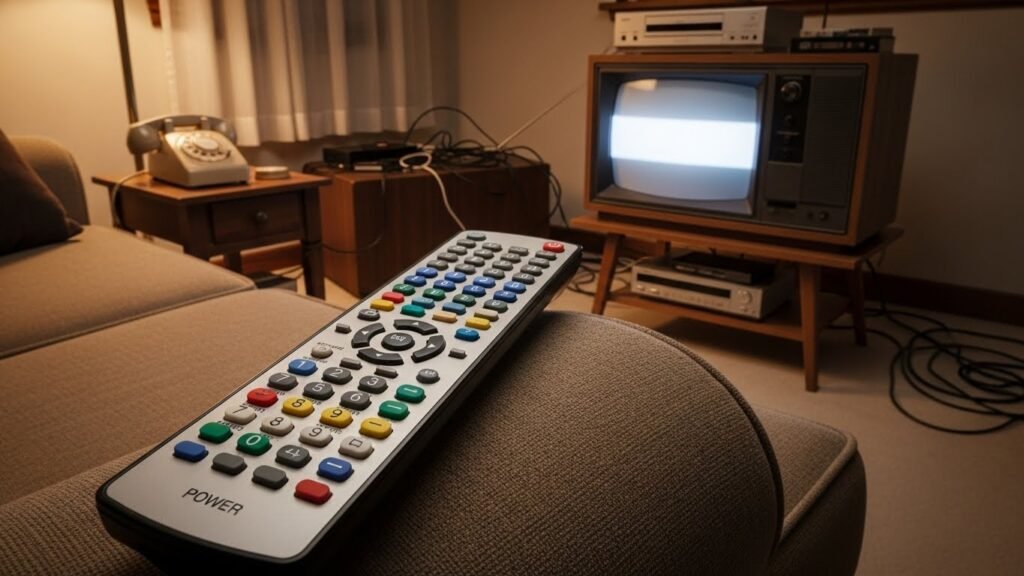
Similar vast multi-button remotes that go with conventional cable packages are often linked to a group of people who had matured, making their evenings based on what was on television. Children who grew up on streaming platforms view these remotes as being associated with fixed programming and reduced choice.
Desktop Calendars

Calendars affixed to desks or kitchen tops indicate that people like visual planning that was in place before smartphone notifications and shared online schedules. These calendars are commonly perceived as an indication of a less frantic, more conscious awareness of time by younger users.
Conventional VoIP Phones

Corded or cordless landline phones are closely associated with families, which highly appreciate a home telephone number instead of mobile phones. To young generations, landlines have become a thing of the past since mobility and uniqueness was a common occurrence.
Pocketbooks Stuffed With Paper Receipts

Fat wallets with tightly folded receipts signify attitudes established before digital payment records and email confirmation, standing as the new normal. This practice is usually associated with a previous focus on physical record keeping, particularly among younger people.
Alarm Clocks on Nightstands

Independent alarm clocks are often perceived as a trace of a time when phones were not reliable or could not be used daily. The younger generations who use phones to fulfill various roles might see these clocks as unnecessary.
Printed Newspapers

Reading a physical newspaper in the mornings is a sign of a habit developed based on the regular and timely news delivery instead of online updates. To younger readers used to real-time headlines, a print newspaper can be taken as an indicator of the order intake of information.
Insurance Manuals Carefully Stored
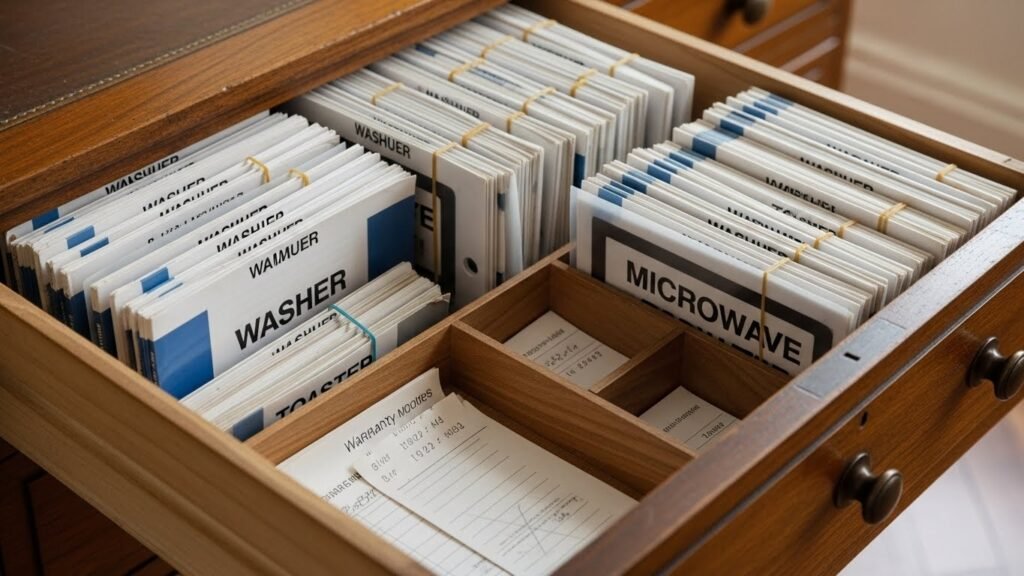
The fact that we still have drawers with lots of manuals on appliances reflects the days when we had no tutorials and databases where we could search and find the information we needed. The youths tend to view this as a safe and cautious manner that was based on the prior technology restriction.
