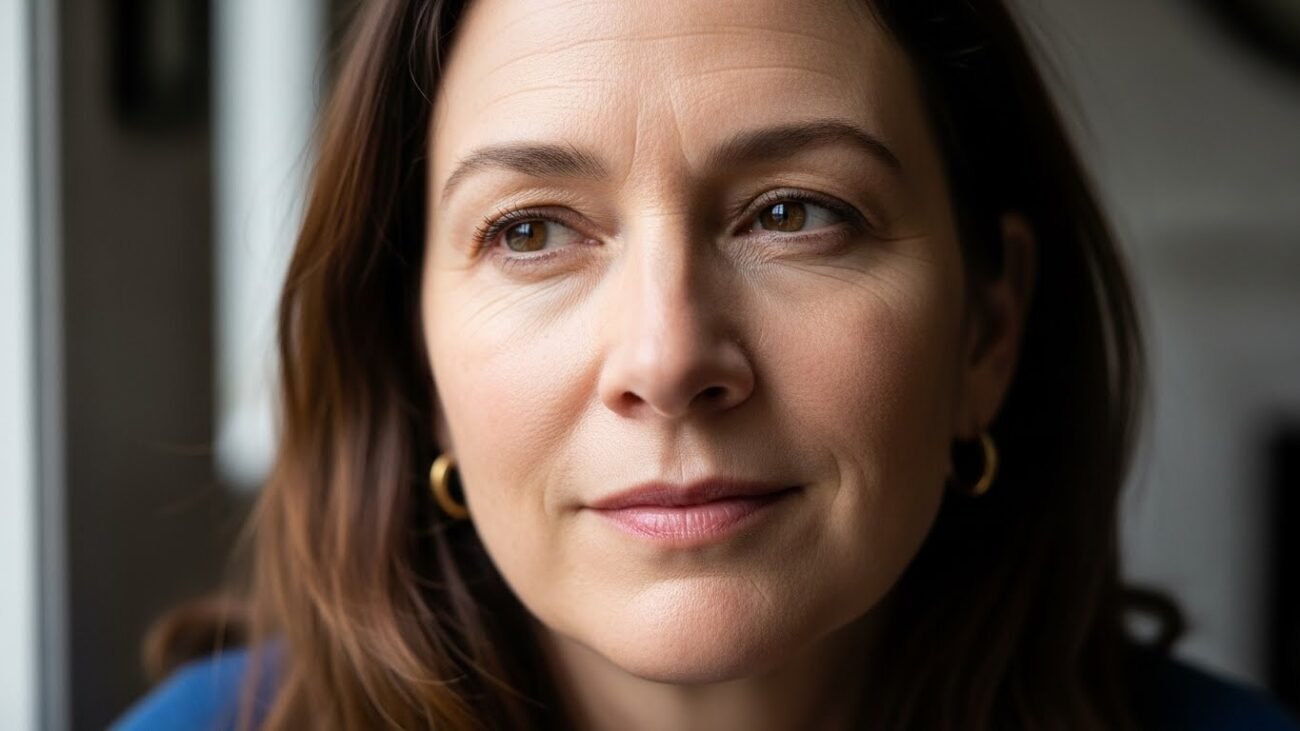
To most of us, middle age is a stage where skin acts in a way different from that of the past, and habits that have previously been viewed as easy, start to be viewed in a strange manner. This is not something that has happened overnight, but rather a consequence of gradual biological changes that accumulate with time, and only after they have enough, can you notice the difference in the form of texture, tone, and sensitivity.
The rate of skin cell regeneration is silent
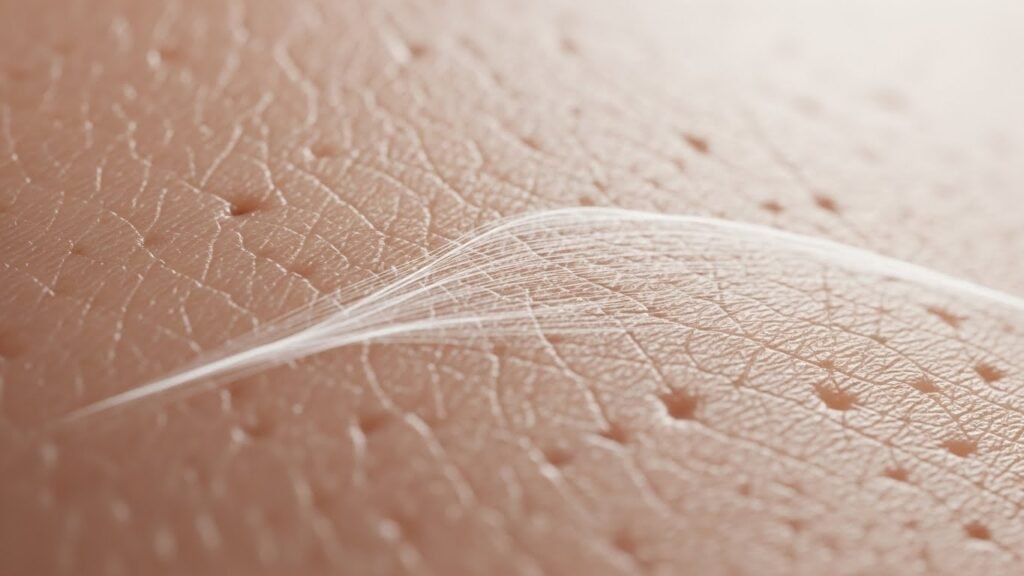
The skin cells take more time to regenerate with age; hence,the old skin cells remain on the surface, making the skin dull or bumpy. This reduced turnover also describes the reason behind the fact that the irritation or environmental stress recovery is a longer process as compared to in previous years.
Production of collagen gradually reduces below the surface
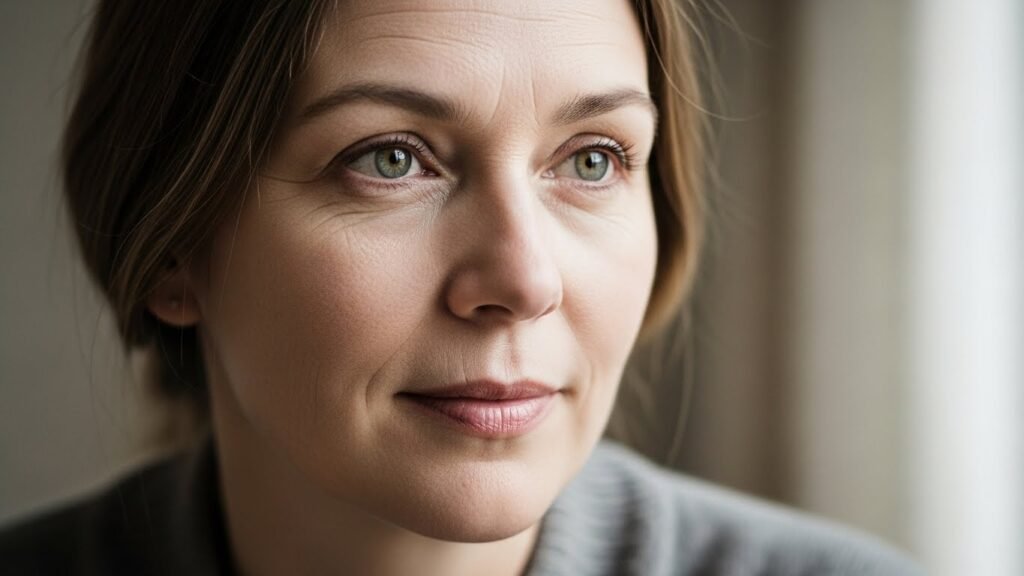
The protein, collagen, which makes skin firm and resistant, starts to diminish in middle age as the body secretes less collagen annually. Skin may also be less springy and seem thinner with reduced structural support beneath, though it may appear healthy.
The elastin fibers lose their bit of flexibility
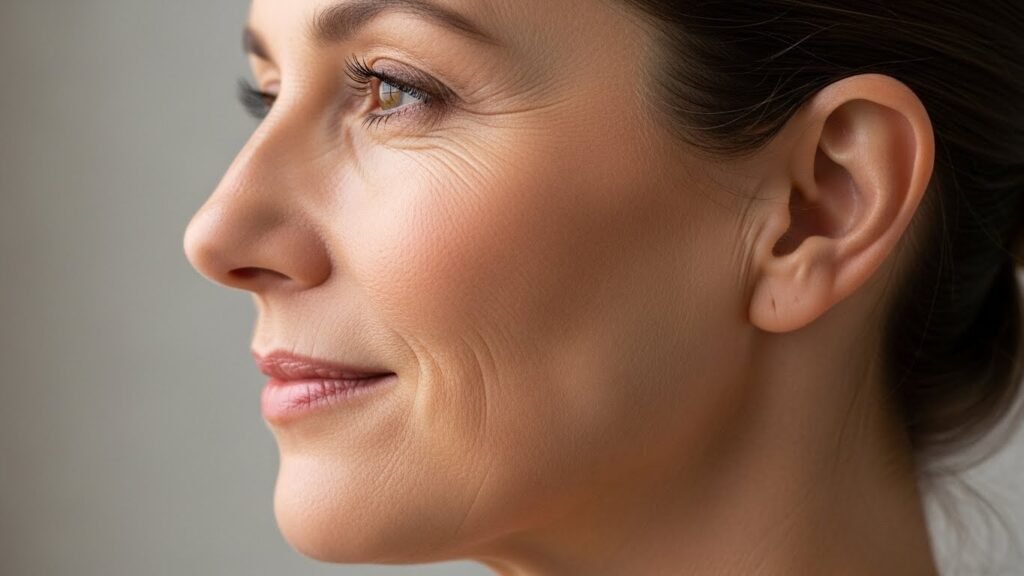
The skin has the capacity to stretch and slide back, and this is due to elastin and with time, these fibers deteriorate and break as a result. This modification leads to a sense of looseness and makes skin less movement and expression.
The natural production of oil becomes less predictable

In the middle age, the sebaceous glands tend to decrease the production of oil, making them dry in regions that were formerly considered to be balanced. Meanwhile, sometimes the hormonal changes may lead to excess oil in other regions, and a confusing mix of dry and reactive skin is formed.
The skin blockage is weakened
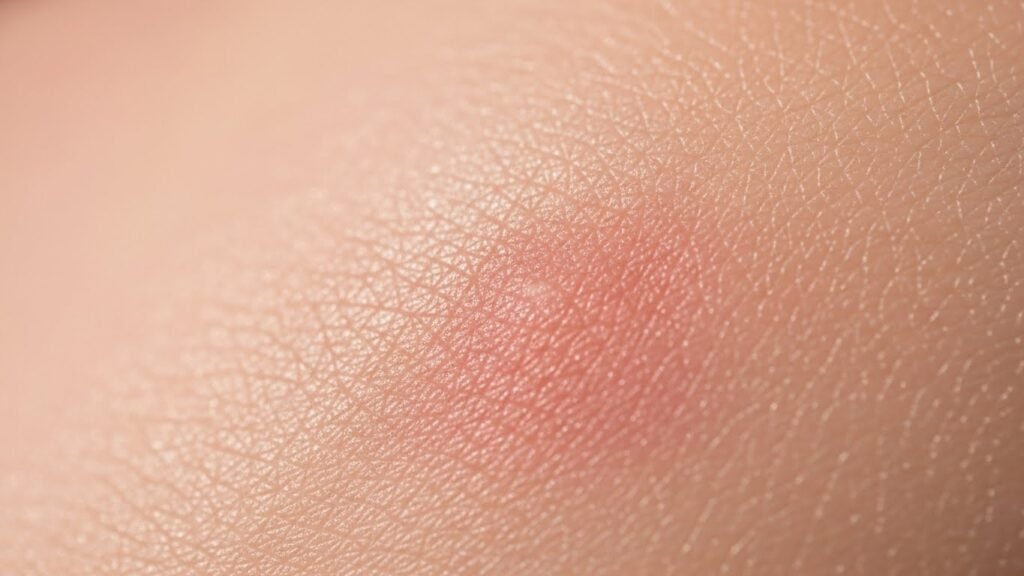
The greatest layer of the skin is meant to maintain moisture in and prevent irritations out, however, as one gets older, this layer may become weaker. Once such a shield cracks, the skin can be more sensitive to weathering, products or even a routine cleanse habit.
The reaction of pigment cells to sun exposure is different
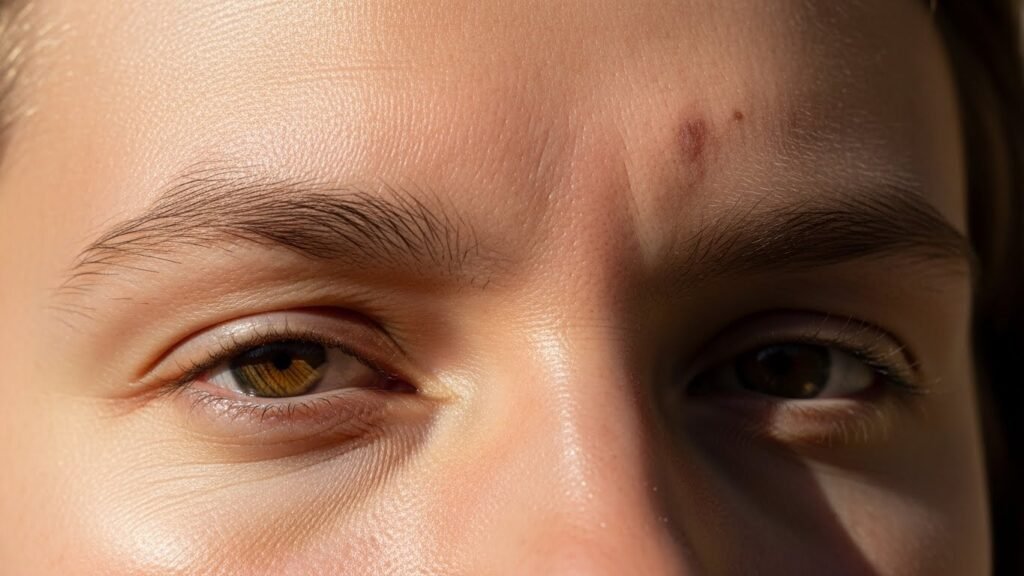
The production of melanin will be less evenly distributed as the skin ages and hence produces an uneven tone with time. Exposure to the sun in the past can also be more easily seen, as skin can no longer repair pigment-related alterations as effectively.
The subcutaneous circulation of the blood also slows down
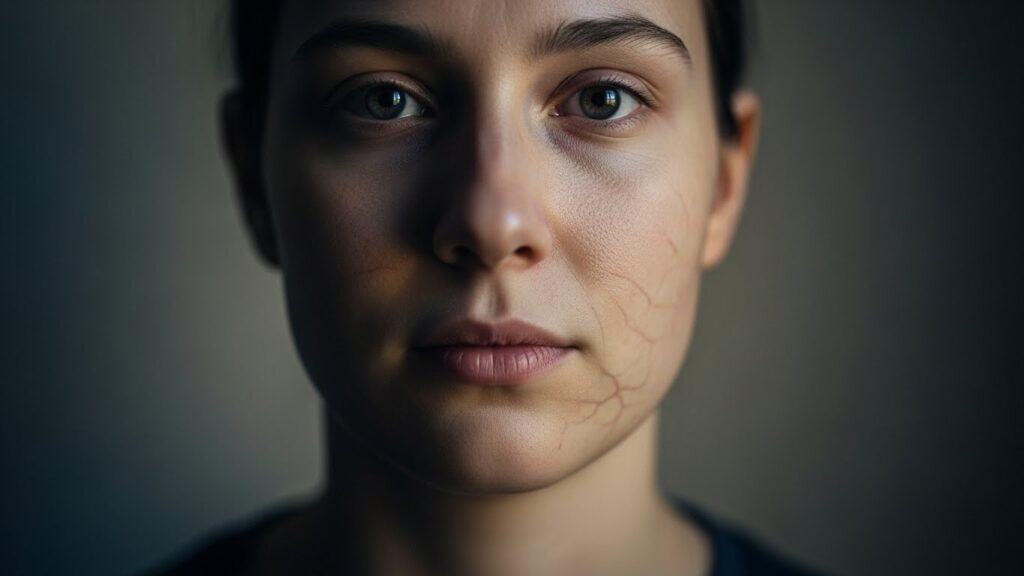
The decrease in circulation implies that there is less supply of nutrients and oxygen to the surface of the skin. This can influence the amount of brightness and add to a sensation that the skin is weary despite the body feeling refreshed.
The inflammation has a protracted nature than previously
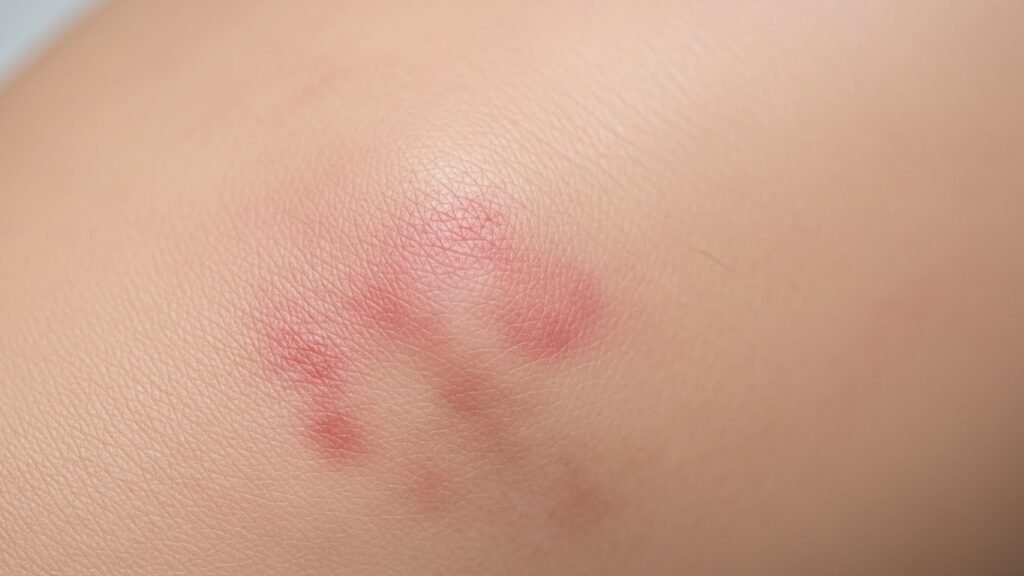
The skin of middle-aged people also takes longer to calm down following irritation since the inflammatory reactions are slower to resolve. This can amplify small reactions and make them more perceivable and sustained.
The hormonal changes affect the feel and comfort

As people age, their hormones increase or decrease, influencing hydration, oils, and sensitivity simultaneously. These internal adaptations can be used to understand why one can have a feeling of being unfamiliar to their skin despite significant changes not being evident.
Former ways of doing things start bearing their cumulative impact
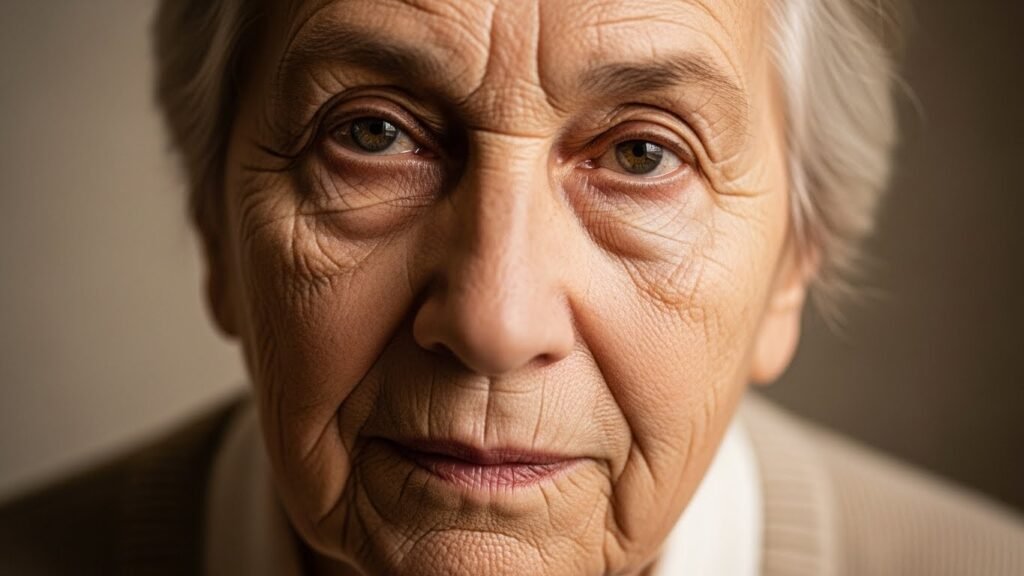
The years of sun exposure, stress and environmental contact slowly take their toll, and middle age is when one can see it maybe more effectively. The skin is just about history, and this often makes care seem more complicated yet fulfilling.
